


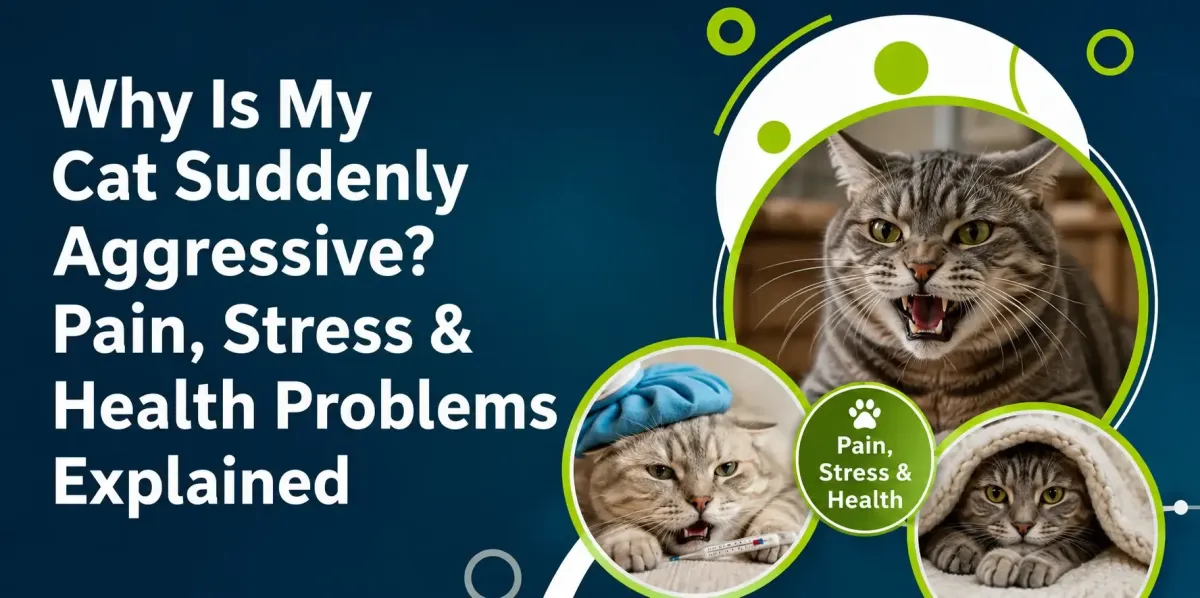
Why Is My Cat Suddenly Aggressive? Pain, Stress & Health Problems Explained
A friendly cat that suddenly starts hissing, growling, scratching, or biting can leave any pet owner confused. Sudden aggression in cats is not always simply a behavior problem. Pain, illness, fear, anxiety, environmental stress, or changes at home can all cause a cat to behave differently.
If your cat has developed unexplained cat aggression or other sudden behavior changes in cats, understanding the possible causes can help you decide when professional veterinary care is needed. Lodi pet owners can turn to a cat veterinarian Lodi CA pet owners trust for an appropriate evaluation.
Why Do Cats Suddenly Become Aggressive?
Aggressive cat behavior can have many causes. A cat may become defensive when experiencing pain, frightened by something in its environment, overwhelmed by stimulation, or stressed by a major change.
Common signs can include:
Cat suddenly attacking
Cat biting suddenly
Cat hissing suddenly
Cat growling
Cat scratching
Hiding or avoiding people
Changes in eating or sleeping
Increased vocalization
Territorial behavior
Sudden changes in interaction with other pets
If these behaviors appear suddenly in a cat that was previously friendly, don't assume it is simply “bad behavior.”
Can Pain Cause Sudden Aggression in Cats?
Yes. Pain in cats can sometimes lead to defensive or aggressive behavior. A cat that hurts may react when someone approaches, touches a painful area, or attempts to pick it up.
Potential sources of discomfort can include:
Dental problems
Arthritis
Injuries
Skin conditions
Urinary problems
Abdominal discomfort
Other underlying health conditions
Cats are particularly good at hiding signs of illness and discomfort. Therefore, aggression may sometimes be one of the first noticeable changes.
If your cat is suddenly aggressive and you cannot identify an obvious environmental trigger, a veterinary examination can help determine whether a medical problem is contributing.
Can Stress Make a Cat Aggressive?
Absolutely. Stress in cats can result from changes that may seem minor to humans but are significant to a cat.
Possible triggers include:
New Pet Stress
Bringing home a new dog, cat, or other animal can create new pet stress. Your cat may feel that its territory, food, sleeping areas, or attention from the family is being threatened.
Moving Stress in Cats
A move can be particularly difficult. Moving stress in cats may result from unfamiliar smells, new rooms, different noises, and changes to their routine.
Changes at Home
Renovations, new furniture, visitors, schedule changes, or changes in household members can all contribute to changes in cat behavior.
Loud Noises and Cats
Construction, fireworks, thunderstorms, alarms, or other unexpected sounds may trigger fear or defensive behavior. Loud noises and cats can be a challenging combination, especially for nervous or sensitive pets.
Anxiety and Fear in Cats
Anxiety in cats can sometimes appear as aggression. A fearful cat may attempt to create distance from whatever it perceives as a threat.
Common cat anxiety symptoms may include:
Hiding more than usual
Excessive vocalization
Hissing or growling
Aggression
Changes in appetite
Avoiding people
Excessive grooming
Changes in litter box habits
Restlessness
Fear in cats can also produce defensive behaviors. If your cat feels trapped or unable to escape a perceived threat, it may hiss, scratch, bite, or attack.
Environmental Stress and Territorial Behavior
Cats are territorial animals, and disruptions to their environment can contribute to stressed cat behavior.
Potential triggers include:
A new animal in the neighborhood
Another cat outside the window
New pets inside the home
Changes in furniture
Construction or remodeling
Changes to feeding areas
A new person living in the home
Changes to daily routines
Territorial behavior in cats may include hissing, marking, chasing, blocking access to areas, or becoming aggressive toward another pet.
Providing a predictable environment, safe hiding spaces, consistent routines, and separate resources for multiple pets can help reduce some sources of stress.
Overstimulation Can Also Cause Aggression
Sometimes a cat may become aggressive during interaction even when it initially appears to enjoy being petted.
Overstimulation in cats can occur when physical interaction becomes too intense or lasts too long. Your cat may provide warning signals such as:
Tail flicking
Ears moving backward
Skin twitching
Sudden body tension
Growling
Hissing
Recognizing these signs and giving your cat space can help prevent the interaction from escalating.
Separation Anxiety in Cats
Although separation anxiety is often associated with dogs, separation anxiety in cats can also occur.
A cat may become stressed when a favorite person is away, particularly when the animal is accustomed to constant companionship. Changes in routine, excessive vocalization, destructive behavior, or changes in litter box habits can sometimes accompany anxiety.
If behavioral changes are persistent, a veterinarian can help determine whether stress, anxiety, illness, or another factor may be involved.
When Should You Take an Aggressive Cat to a Veterinarian?
A sudden change in behavior deserves attention, particularly if aggression is accompanied by physical symptoms.
Consider contacting a veterinarian near Lodi CA if your cat suddenly becomes aggressive and you also notice:
Loss of appetite
Vomiting or diarrhea
Difficulty urinating
Limping
Excessive hiding
Weight loss
Changes in drinking
Lethargy
Vocalizing when touched
Changes in litter box habits
Difficulty walking
Signs of pain
If your cat has experienced trauma, is having difficulty breathing, cannot urinate, has collapsed, or is experiencing another potentially serious medical problem, seek urgent veterinary attention. Searching for an emergency vet near Lodi, CA or same-day pet treatment near Lodi CA may be appropriate when symptoms require prompt evaluation.
How Can a Veterinarian Help?
A veterinarian for cats Lodi CA pet owners choose can evaluate your cat's overall health and investigate possible medical or behavioral causes of aggression.
Depending on the situation, the evaluation may include:
Physical examination
Review of behavior changes
Discussion of home and environmental changes
Dental evaluation
Diagnostic testing when appropriate
Assessment for pain or illness
Recommendations for reducing stress
Regular pet wellness Lodi CA visits can also help establish your cat's normal health and make it easier to recognize meaningful changes over time.
Frequently Asked Questions
Why is my cat suddenly aggressive?
Sudden aggression can result from pain, illness, fear, anxiety, stress, territorial behavior, overstimulation, or changes in the home. A sudden unexplained change should be evaluated, especially if other symptoms are present.
Can pain cause sudden aggression in cats?
Yes. A cat experiencing pain may become defensive when touched or approached. Dental problems, injuries, arthritis, urinary problems, and other medical conditions can potentially contribute to aggressive behavior.
Can stress make a cat aggressive?
Yes. Stress in cats can cause behavioral changes, including hissing, growling, scratching, hiding, or aggression. New pets, moving, loud noises, changes at home, and environmental disruptions can all contribute.
How can I tell if my cat's aggression is caused by pain?
Look for additional signs such as hiding, reduced appetite, limping, difficulty jumping, excessive vocalization, changes in grooming, litter box changes, or reacting negatively when touched. A veterinary examination is the best way to investigate possible pain.
Why is my cat suddenly attacking me?
Your cat may be experiencing fear, pain, overstimulation, anxiety, or territorial stress. If the behavior is new or unusually intense, don't assume it is purely behavioral—consider having your cat evaluated by a veterinarian.
When should I take my aggressive cat to a veterinarian?
Schedule an evaluation when aggression is sudden, persistent, unexplained, or accompanied by other changes in health or behavior. Seek urgent care when aggression occurs alongside serious symptoms such as collapse, breathing difficulty, severe injury, or inability to urinate.
Can an underlying illness cause aggression in cats?
Yes. Pain and various medical conditions can sometimes contribute to behavioral changes. A veterinarian can help determine whether a health problem may be responsible.
Why is my cat suddenly aggressive toward another cat?
Territorial behavior, fear, resource competition, environmental stress, or changes involving another pet can trigger aggression. However, sudden aggression can also occur when a cat is experiencing pain or illness, so medical causes should be considered.
Cat Veterinary Care in Lodi, CA
Sudden aggression is a message worth paying attention to—not simply a behavior to punish. Whether your cat is biting suddenly, hissing suddenly, growling, scratching, hiding, or attacking another pet, identifying the underlying cause is an important first step.
If you're searching for a cat veterinarian Lodi CA, veterinarian near Lodi CA, or veterinary care for a sudden change in your cat's behavior, Lodi Animal Hospital can help evaluate your pet and recommend appropriate next steps.
Contact Lodi Animal Hospital to schedule a veterinary evaluation for your cat.

