

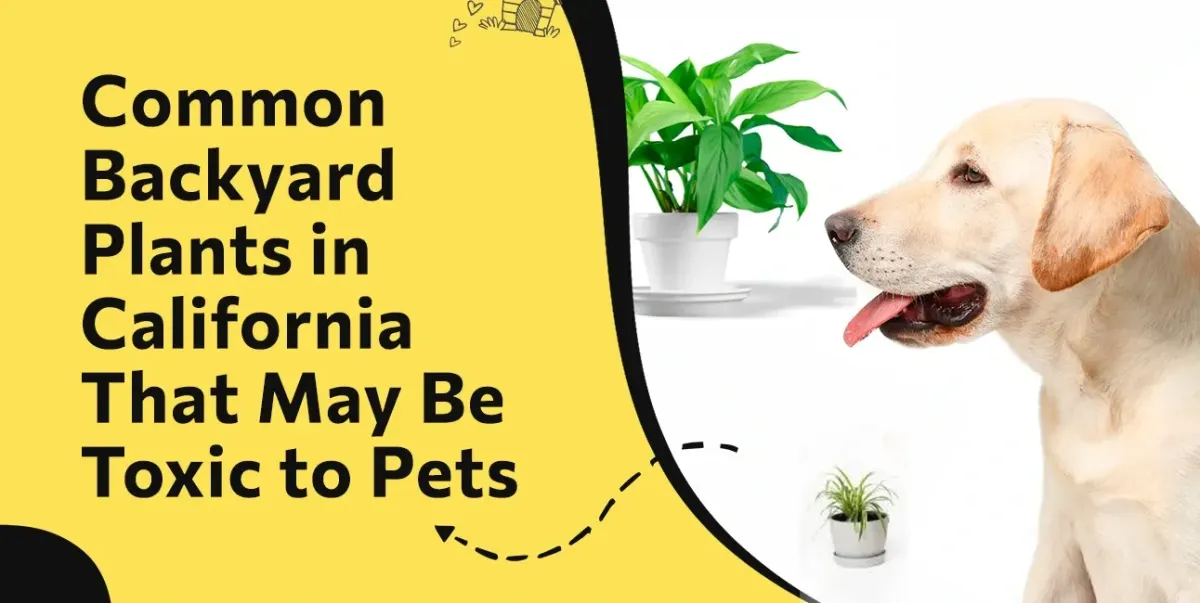
Common Backyard Plants in California That May Be Toxic to Pets
Many pet owners enjoy spending time outdoors with their dogs and cats, especially during California's warm spring and summer months. While a beautiful yard can provide plenty of space for exercise and play, some common landscaping plants can pose serious health risks to pets. Understanding which toxic plants for pets may be growing in your yard is an important part of pet poison prevention and outdoor pet safety.
At Lodi Animal Hospital, we often educate pet owners about accidental pet poisoning and prevention tips in Lodi CA. Knowing which California backyard plants dangerous for pets can help protect your furry family members and prevent emergency situations.
What Backyard Plants Are Toxic to Dogs in California?
California landscapes often include ornamental plants that are attractive to homeowners but potentially harmful to pets. Some of the most common toxic backyard plants include:
Oleander
Oleander is one of the most dangerous plants for pets. Even small amounts can cause severe poisoning in dogs and cats. Symptoms may include drooling, vomiting, weakness, irregular heart rhythms, and serious medical complications.
Sago Palm
Frequently used in California landscaping, the sago palm is highly toxic. Ingestion can cause liver damage, seizures, and even death if not treated quickly.
Azaleas and Rhododendrons
These flowering shrubs can cause vomiting, diarrhea, weakness, and heart-related issues in pets.
Lilies
Many pet owners ask, "Are lilies dangerous for cats?" The answer is yes. Lilies are extremely toxic to cats and can cause acute kidney failure, even when only small amounts are ingested.
Tulips and Daffodils
These popular spring flowers contain toxins, especially in their bulbs. Curious dogs that dig in flower beds may be at risk.
Foxglove and Yew
Both plants contain compounds that can affect the heart and nervous system, making them dangerous plants for pets.
What Plants Are Poisonous to Dogs?
When discussing poisonous plants for dog owners should know about, several commonly found garden plants appear repeatedly on veterinary toxicology lists.
Examples include:
Oleander
Sago Palm
Aloe Vera
English Ivy
Bird of Paradise
Castor Bean Plant
Wisteria
Chrysanthemums
Dogs often investigate plants by chewing leaves, stems, or flowers, increasing their risk of exposure.
What Plants Are Toxic to Cats?
Cats may be more selective about what they eat, but certain plants remain especially dangerous.
Plants that are poisonous to cats and dogs include:
Lilies
Azaleas
Oleander
English Ivy
Chrysanthemums
Daffodils
Because cats groom themselves frequently, they may also ingest pollen or plant residue that becomes trapped in their fur.
How Do I Know If My Pet Ate a Poisonous Plant?
One of the most common questions veterinarians hear is, "How do I know if my pet ate a poisonous plant?"
Signs may vary depending on the plant and amount consumed, but common pet poisoning symptoms include:
Vomiting
Diarrhea
Excessive drooling
Loss of appetite
Lethargy
Difficulty breathing
Tremors
Seizures
Weakness
Changes in heart rate
If you notice any of these symptoms after outdoor activity, plant exposure should be considered as a possible cause.
What Are the Symptoms of Pet Poisoning?
Pet poisoning symptoms can appear within minutes or may take several hours to develop.
Watch for:
Sudden vomiting
Excessive thirst
Difficulty walking
Muscle tremors
Pale gums
Collapsing
Unusual behavior
Lack of coordination
These signs may indicate a medical emergency requiring urgent pet care.
Pet Ate a Toxic Plant: What Should I Do?
Many pet owners panic when they realize their pet may have consumed a toxic plant. Acting quickly can make a significant difference.
If your pet ate a toxic plant:
Remove your pet from the area.
Prevent further ingestion.
Identify the plant if possible.
Take photos of the plant.
Contact a veterinarian immediately.
Monitor your pet closely for symptoms.
Do not attempt home remedies unless specifically directed by a veterinary professional.
When Should I Call a Veterinarian for Plant Poisoning?
You should contact a veterinarian anytime you suspect toxic plant ingestion.
Seek emergency veterinary care immediately if your pet experiences:
Difficulty breathing
Seizures
Collapse
Severe vomiting
Extreme lethargy
Unresponsiveness
When to take your pet to an emergency vet for poisoning depends on both the plant involved and the symptoms present. In many cases, early intervention significantly improves outcomes.
How to Keep Pets Safe around Garden Plants
Preventive veterinary care begins with reducing risks at home.
Here are several pet safety tips Lodi CA pet owners can follow:
Research Plants before Landscaping
Before adding new flowers, shrubs, or trees, verify that they are safe for pets.
Create Pet-Friendly Garden Zones
Use pet-safe landscaping and designate areas where dogs and cats can play without exposure to harmful vegetation.
Supervise Outdoor Activity
Monitoring pets can reduce opportunities for chewing on toxic garden plants for pets.
Remove Dangerous Plants
If possible, replace known toxic species with safer alternatives.
Schedule Routine Wellness Exams
Regular pet wellness care allows veterinarians to identify health concerns early and discuss seasonal safety risks.
Spring and Summer Pet Safety in California
Spring pet safety and summer pet safety should include awareness of environmental hazards.
During warmer months:
New plants bloom and become more accessible.
Dogs spend more time outdoors.
Gardening activities increase.
Exposure to fertilizers and pesticides becomes more common.
Pet toxin awareness is an important part of pet wellness and prevention. Seasonal changes often bring increased risks of accidental pet poisoning.
Which California Plants Are Unsafe for Pets?
Some of the most common California backyard plants dangerous for pets include:
Oleander
Sago Palm
Azalea
Rhododendron
Foxglove
Lily varieties
Tulips
Daffodils
Castor Bean Plants
English Ivy
Pet owners should familiarize themselves with these plants and consider safer alternatives whenever possible.
Protecting Your Pet's Health
Your backyard should be a place where pets can safely play, explore, and enjoy time outdoors. Understanding toxic plants for pets and recognizing pet health risks outdoors can help prevent serious medical emergencies. Through pet poison prevention, outdoor pet safety, and routine veterinary care for pet poisoning in Lodi CA concerns, many plant-related accidents can be avoided.
Contact Lodi Animal Hospital for Pet Poisoning Concerns
If you believe your pet has been exposed to a toxic plant or is showing signs of plant poisoning in pets, don't wait. The team at Lodi Animal Hospital provides compassionate pet wellness care, emergency pet care Lodi CA services, and preventive veterinary care to help keep your pets healthy year-round.
As a trusted veterinarian Lodi CA pet owners rely on, we are here to provide guidance, diagnosis, and treatment when you’re pet needs it most. Contact Lodi Animal Hospital today if you have concerns about pet poisoning or any other pet health issue.

